
Creating a productive home office environment is essential for anyone working remotely or managing tasks from home. A well-designed workspace can improve focus, reduce distractions, and make your workday more enjoyable and efficient. Whether you have a dedicated room or just a corner in your living space, these tips can help you create an office setup tailored to your needs.
Choose the Right Location
Finding the right spot in your home is the first step to productivity. Ideally, your workspace should be quiet and free from frequent interruptions.
– Avoid high-traffic areas: Spaces like the kitchen or living room might have too much noise or activity.
– Natural light: Position your desk near a window if possible. Natural light can improve mood and reduce eye strain.
– Separation from relaxation zones: Try to keep your office distinct from areas meant for rest to help mentally separate work and home life.
Invest in Ergonomic Furniture
Comfort plays a big role in how productive you can be. Ergonomic furniture supports good posture and reduces fatigue.
– Desk: Choose a desk that fits your space and allows for comfortable arm positioning.
– Chair: An adjustable office chair with lumbar support keeps your back healthy during long hours.
– Monitor height: Place your computer screen at eye level to avoid neck strain.
– Accessories: Consider footrests, keyboard trays, or wrist supports if they enhance comfort.
Organize Your Workspace Effectively
A cluttered desk can lead to a cluttered mind. Organizing your office helps you focus and work efficiently.
– Declutter regularly: Keep only essential items on your desk.
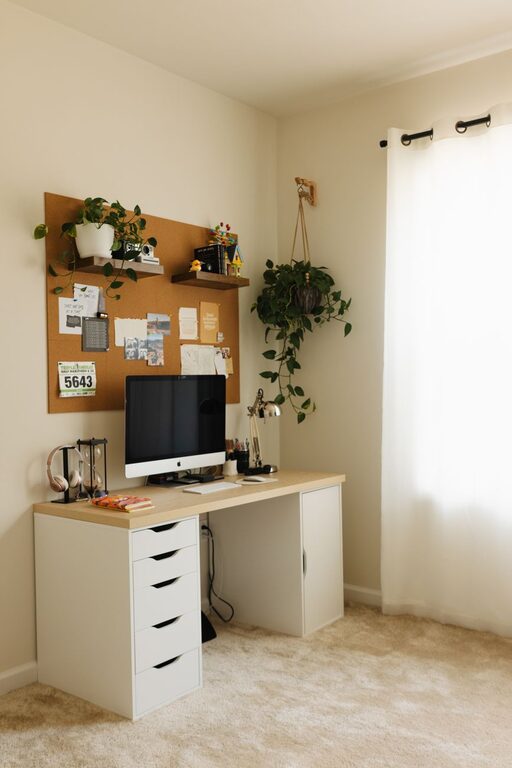
– Use storage solutions: Shelves, drawers, and boxes help keep supplies out of sight but within reach.
– Cable management: Use clips or sleeves to keep cords tidy and prevent tangling.
Minimize Distractions
Distractions reduce your ability to focus and complete tasks on time.
– Set boundaries: Communicate your working hours to family or housemates.
– Turn off non-work notifications: Silence unnecessary phone or computer alerts during work periods.
– Use noise control: Noise-canceling headphones or background music can help mask distracting sounds.
Optimize Lighting
Proper lighting is crucial to avoid eye strain and maintain alertness.
– Combine natural and artificial lighting: Use task lamps to complement daylight.
– Avoid glare: Position screens perpendicular to windows and use blinds or curtains as needed.
– Use warm or neutral light: This reduces harsh contrasts and creates a comfortable atmosphere.
Incorporate Personal Touches
Adding elements that inspire or soothe you can boost motivation and satisfaction.
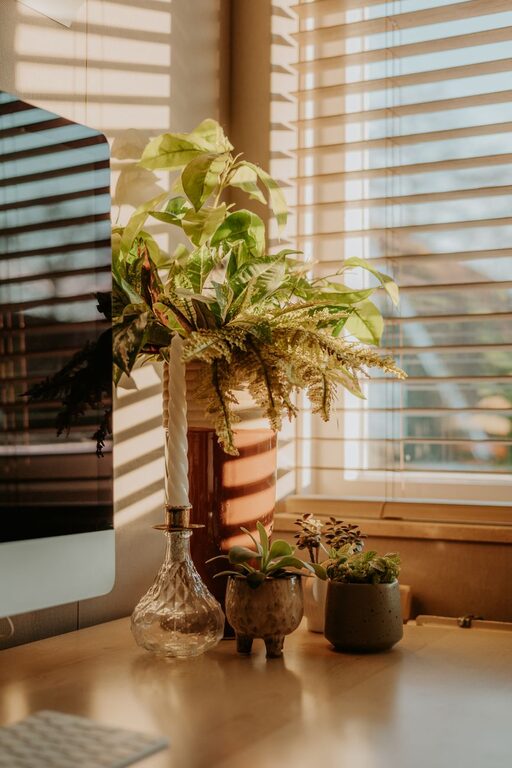
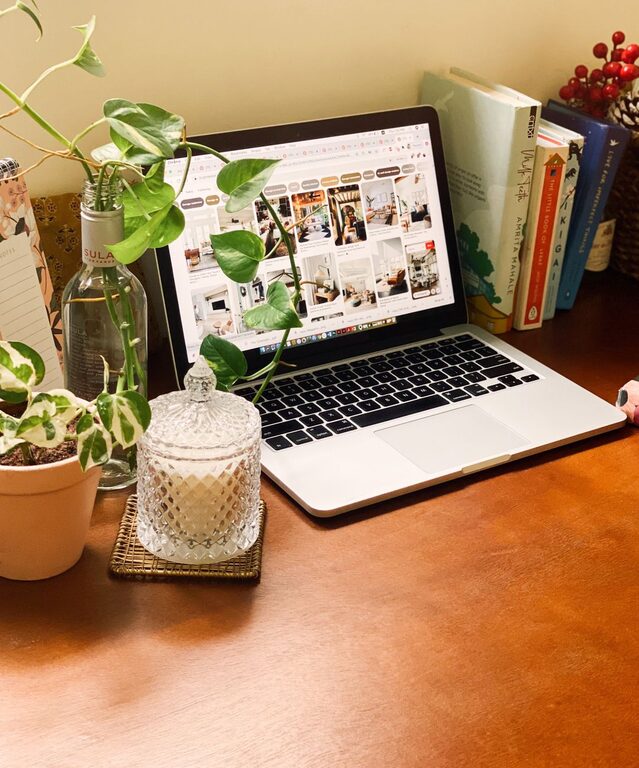
– Decorate thoughtfully: Artwork, plants, or photos can make your space inviting.
– Greenery: Indoor plants improve air quality and add a calming effect.
– Comfort items: A cozy blanket or a favorite mug can make breaks feel refreshing.
Establish a Routine
A home office works best when combined with structured habits.
– Set working hours: Define when you start and end your workday.
– Schedule breaks: Regular short breaks improve concentration and reduce fatigue.
– Create a startup ritual: Simple actions like making your coffee or reviewing your to-do list can signal the start of the workday.
Use Technology Wisely
Leveraging the right tools can enhance your productivity.
– Reliable internet: A strong connection reduces frustration during calls or uploads.
– Productivity apps: Task managers, calendar reminders, or note-taking apps help keep you organized.
– Backup systems: Regularly save your work and use cloud storage to prevent data loss.
Maintain Ergonomics and Wellness
Remember that physical and mental well-being strongly influence productivity.
– Stretch regularly: Take brief pauses to stretch your body.
– Stay hydrated: Keep water nearby and drink throughout the day.
– Eye care: Follow the 20-20-20 rule – every 20 minutes, look at something 20 feet away for 20 seconds to rest your eyes.
—
Creating a productive home office environment is about finding a balance between comfort, functionality, and personal preference. By thoughtfully setting up your workspace and adopting effective habits, you can transform your home office into a space where you enjoy working and accomplish your goals.