
Creating a productive home office environment is essential for anyone working remotely or managing tasks from home. With the right setup and habits, you can enhance your focus, reduce distractions, and make your workday more efficient. Whether you’re new to remote work or looking to improve your current home office, these tips will help you design a workspace that supports productivity and well-being.
Choose the Right Location
Your home office location plays a critical role in productivity. Ideally, select a quiet area with minimal foot traffic where you can work uninterrupted. If possible, choose a separate room or a corner with a door you can close to signal work time to family members or roommates.
Consider natural light
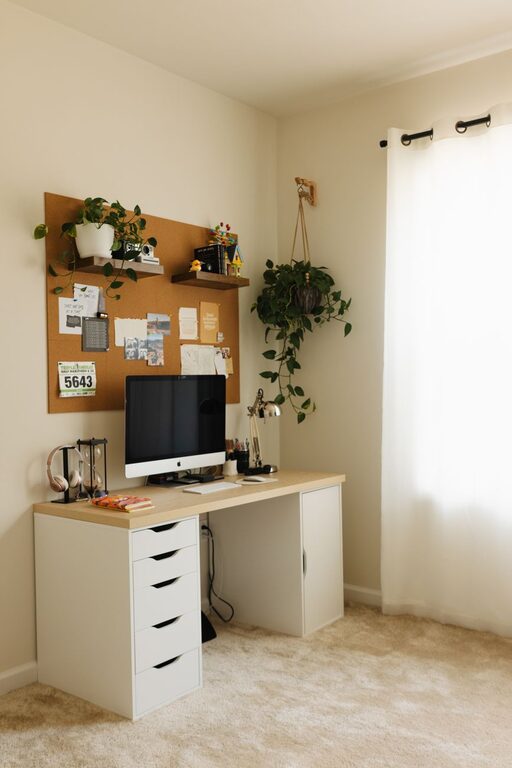
Natural light can improve mood and energy levels. Position your desk near a window if possible. If natural light is limited, use bright, adjustable lighting to reduce eye strain and keep you alert throughout the day.
Invest in Comfortable Furniture
Comfort is key when you spend extended hours working at a desk.
– Ergonomic chair: Choose a chair that supports your back and encourages good posture. Adjustable height and lumbar support are important features.
– Desk size: Your desk should have enough space for your computer, accessories, and any paperwork. Consider adjustable desks that allow you to alternate between sitting and standing.
– Monitor placement: Position your monitor at eye level to avoid neck strain. Use a monitor stand or adjustable arm if needed.
Organize Your Workspace
An organized workspace helps reduce stress and keeps you focused.
– Declutter regularly: Keep only essential items on your desk. Store other supplies in drawers or organizers.
– Cable management: Use clips, ties, or a cable box to keep cords tidy and prevent tangling.
– Accessible supplies: Keep frequently used items within easy reach to avoid unnecessary interruptions to your workflow.
Minimize Distractions
Limit distractions to stay on task.
– Set boundaries: Communicate your work hours to household members and ask for quiet during those times.
– Use noise-canceling headphones: They can help block out background noise.
– Turn off non-work notifications: Silence social media and email alerts unless they relate to your work.
Establish a Routine
Having a clear routine helps create a sense of normalcy and improves focus.
– Set specific work hours: Starting and ending work at the same time each day helps separate work life from home life.
– Take regular breaks: Short breaks increase productivity and prevent burnout. Follow techniques like the Pomodoro method (25 minutes of work followed by a 5-minute break).
– Designate start-up and shutdown rituals: Activities like making a to-do list in the morning or tidying your workspace at the end of the day can frame your workday effectively.
Personalize Your Space
Add touches that make your workspace inviting but not distracting.
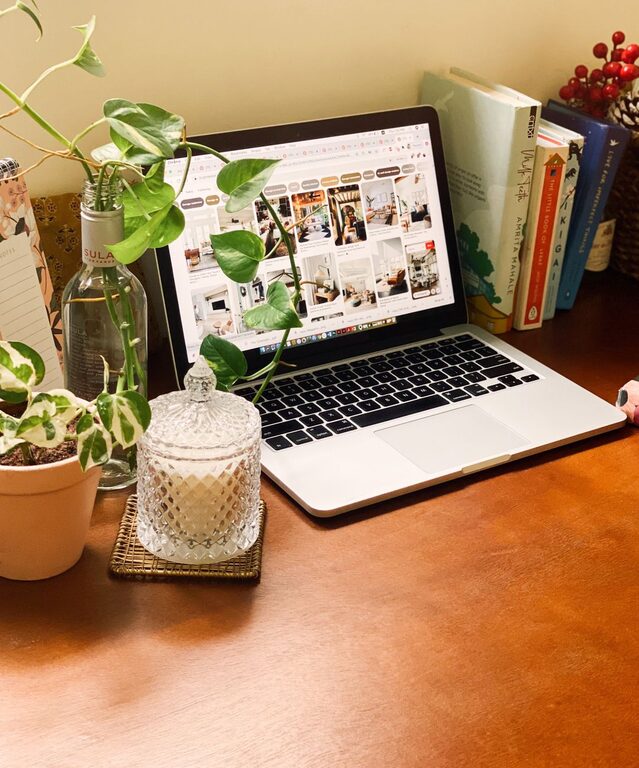
– Plants: A small plant can improve air quality and create a calming atmosphere.
– Artwork or photos: Choose images that inspire or relax you.
– Inspiring quotes: Display motivational messages to boost your mood.
Use Technology Wisely
Take advantage of technology tools that help manage tasks and increase productivity.
– Task management apps: Tools like Trello, Asana, or Todoist can help you organize and prioritize work.
– Reliable internet connection: A strong and stable internet connection prevents frustration and delays.
– Backup systems: Use cloud storage or external drives to save your work regularly.
Prioritize Ergonomics and Health
Your health affects your productivity and focus.
– Proper posture: Sit upright with feet flat on the floor and avoid slouching.
– Eye care: Follow the 20-20-20 rule: every 20 minutes, look at something 20 feet away for at least 20 seconds to reduce eye strain.
– Movement: Incorporate stretches and brief walks to avoid stiffness and increase circulation throughout the day.
Keep Work and Personal Life Separate
To maintain a healthy work-life balance, create a clear distinction between your workspace and relaxation areas.
– Dedicated office space: Avoid working from your bed or couch.
– End of day routine: Physically leave your workspace at the end of your workday when possible.
– Limit work hours: Avoid checking emails or completing tasks outside your designated work time.
—
By tailoring your home office environment with these tips, you can create a space that supports productivity, focus, and well-being. Remember that the best workspace is one that fits your unique needs and preferences, so feel free to adapt these suggestions accordingly. A well-designed home office can make all the difference in turning remote work into a positive and productive experience.