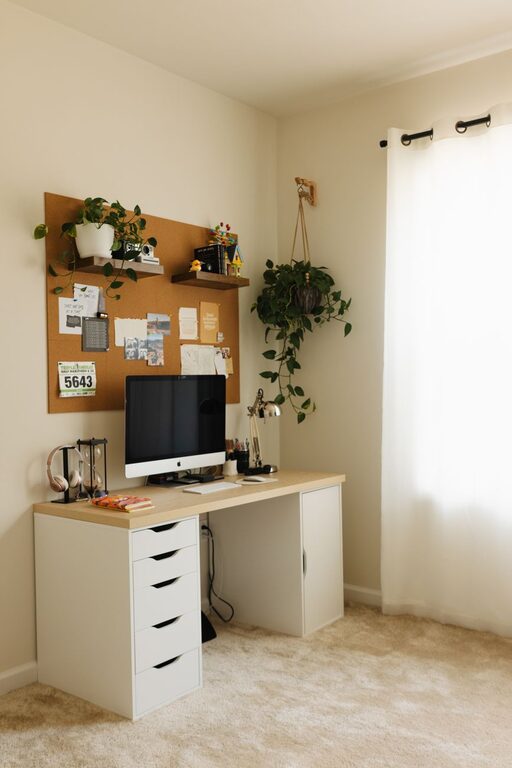

Creating a home office that is both comfortable and productive can significantly enhance your work-from-home experience. Whether you’re a freelancer, remote employee, or running your own business, setting up a dedicated workspace helps you stay focused and maintain a healthy work-life balance. Here are some practical tips to design a home office space that suits your needs.
Choose the Right Location
Find a Quiet Spot
Select a location in your home that is quiet and free from distractions. Ideally, this should be a separate room or a corner away from high-traffic areas like the kitchen or living room.
Consider Natural Light
Position your desk near a window to take advantage of natural light. Exposure to daylight can improve mood and increase energy levels. However, avoid glare on your computer screen by adjusting your desk’s orientation or using blinds.
Invest in Ergonomic Furniture
Comfortable Chair
Spend time selecting a comfortable, adjustable chair that supports good posture. Look for chairs with lumbar support and adjustable height settings to minimize back and neck strain.
Functional Desk
Choose a desk that fits your space and offers enough surface area for your essentials. Consider desks with built-in storage to keep your workspace organized.
Optional: Standing Desk
If possible, try a standing desk or an adjustable sit-stand desk. Alternating between sitting and standing throughout the day promotes better circulation and can reduce fatigue.
Organize for Efficiency
Declutter Regularly
Keep your workspace tidy by regularly removing unnecessary items. A clutter-free desk helps reduce distractions and makes it easier to focus.
Use Storage Solutions
Incorporate shelves, drawers, or organizers to store documents, office supplies, and tech accessories. Labeling storage containers can also speed up finding what you need.
Cable Management
Keep wires and cables tidy using clips, sleeves, or cable boxes. Managing cables not only improves aesthetics but also prevents tripping hazards.
Optimize Lighting
Layer Your Lighting
Combine natural light with task and ambient lighting. Use a desk lamp for focused lighting on your work area, and ensure the room has sufficient background lighting to avoid eye strain.
Choose the Right Bulbs
Select bulbs with a color temperature of around 5000K to mimic natural daylight. This type of lighting is energizing and ideal for work environments.
Personalize Your Space
Add Plants
Indoor plants improve air quality and bring a touch of nature indoors, which can reduce stress and improve focus.
Decorate Thoughtfully
Incorporate art, photos, or decor that inspires you without cluttering your space. Personal touches make your office inviting and motivate you to spend time there.
Manage Noise
Use Noise-Canceling Tools
If your home is noisy, consider using noise-canceling headphones to block distractions. White noise machines can also help create a consistent sound environment.
Soundproofing Tips
Adding rugs, curtains, or acoustic panels can absorb sound and reduce echoes, creating a more peaceful workspace.
Establish Boundaries
Define Work Hours
Set clear work hours to separate your professional time from personal life. Inform family members or roommates of your schedule to minimize interruptions.
Dedicated Work Zone
Keep your work materials and equipment confined to your office area. Avoid working from leisure spaces like your bed or couch to maintain focus.
Stay Connected
Reliable Internet
Ensure you have a strong, reliable internet connection to avoid disruptions during meetings and online work.
Tech Setup
Invest in essential equipment such as a good quality webcam, microphone, and headphones for clear communication.
Keep Comfort in Mind
Temperature Control
Make sure your office is at a comfortable temperature. Use fans, heaters, or air conditioners as needed to maintain the ideal environment.
Take Breaks
Incorporate short breaks into your routine to stretch, hydrate, and rest your eyes. A comfortable workspace can help reduce fatigue but doesn’t replace the need for movement.
—
Designing a home office that balances comfort and productivity doesn’t have to be complicated or expensive. By selecting the right location, investing in ergonomic furniture, and staying organized, you can create a space that supports your work goals and well-being. With a few thoughtful adjustments, your home office can become a place where you enjoy working every day.