
Creating a relaxing home workspace is essential for anyone looking to maintain focus and boost productivity while working from home. A well-designed space not only promotes comfort but also helps reduce stress and encourages efficiency. Whether you work full-time remotely or need a dedicated area for occasional tasks, these tips will help you set up a peaceful and productive environment.
Why a Relaxing Workspace Matters
When your workspace feels inviting and calming, it positively impacts your mood and motivation. A chaotic or uncomfortable space can lead to distractions, fatigue, and lower productivity. Designing a workspace that reflects your needs and preferences can help create a mindset conducive to getting work done effectively.
Choose the Right Location
Consider Natural Light
Whenever possible, pick a spot near a window. Natural light helps regulate your body clock, reduces eye strain, and creates an uplifting atmosphere. If natural light is limited, invest in good quality lighting with adjustable brightness to mimic daylight.
Minimize Noise and Distractions
Select a quiet area that’s away from high-traffic rooms. Using noise-canceling headphones or a white noise machine can also help block out interruptions. A peaceful setting makes it easier to focus and reduces stress.
Ergonomic Furniture Matters
Investing in ergonomic furniture is a smart step toward comfort and health. Chairs and desks that support good posture prevent aches and pains, keeping you comfortable for longer work sessions.
– Choose a chair with proper lumbar support.
– Adjust your desk and chair height so your feet rest flat on the floor and your wrists remain straight while typing.
– Consider a sit-stand desk if you want to alternate between sitting and standing.
Keep Your Workspace Organized
Clutter can be distracting and overwhelming. Maintaining an organized workspace helps keep your mind clear.
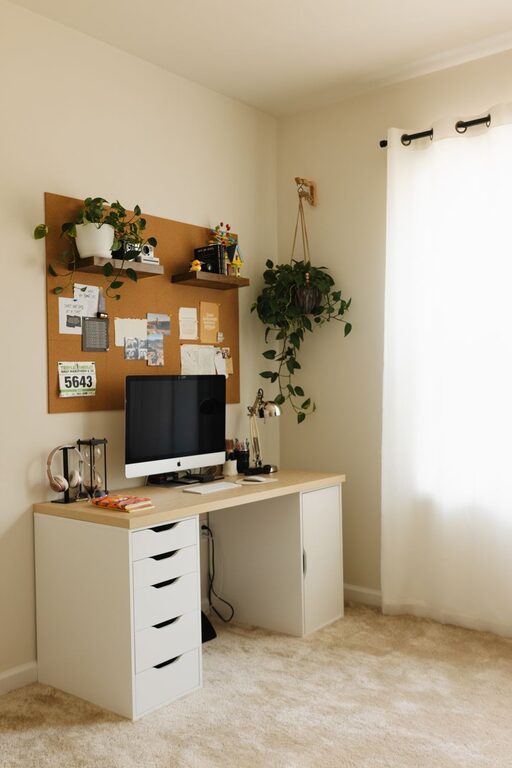
– Use storage solutions like shelves, drawers, or bins to keep supplies in order.
– Keep only essential items on your desk.
– Set aside time each day to tidy up.
Add Calming Elements
Incorporating soothing elements can transform your workspace into a relaxing retreat:
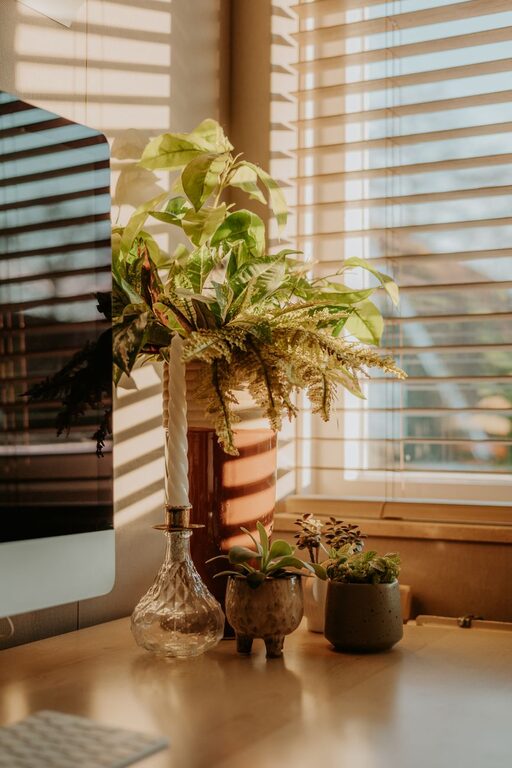
– Plants: Indoor plants improve air quality and add a touch of nature, which can reduce stress.
– Colors: Soft, neutral colors or shades of blue and green are known for their calming effects.
– Textures: Soft rugs, cushions, or curtains can create a cozy feeling.
– Personal Items: Photos or small objects that bring you joy can boost mood without distracting.
Manage Technology Wisely
While technology is essential for work, it can also be a source of stress and distraction.
– Keep cords and devices neatly arranged.
– Use screen filters to reduce glare and protect your eyes.
– Limit non-work-related notifications during work hours.
Establish a Routine and Boundaries
A relaxing workspace is part of a broader approach to work-life balance. Set clear working hours and take regular breaks to refresh your mind.
– Use techniques like the Pomodoro method to manage work and rest periods.
– Step away from your workspace during breaks to disconnect and recharge.
Personalize Your Workspace
Your home workspace should reflect your style and needs. Don’t hesitate to customize it with items that inspire and motivate you, as this increases your connection to the space.
Final Thoughts
Creating a relaxing home workspace involves thoughtful planning and personalization. From location and furniture to organization and ambiance, each element contributes to a healthier, more focused work environment. By implementing these tips, you can build a space that supports your productivity and well-being every day.